 Canada
  Hong Kong
  India
India  Ireland
  Malaysia
  New Zealand
  Philippines
  Qatar
Qatar  Singapore
  South Africa
  United Arab Emirates
  United Kingdom
  United States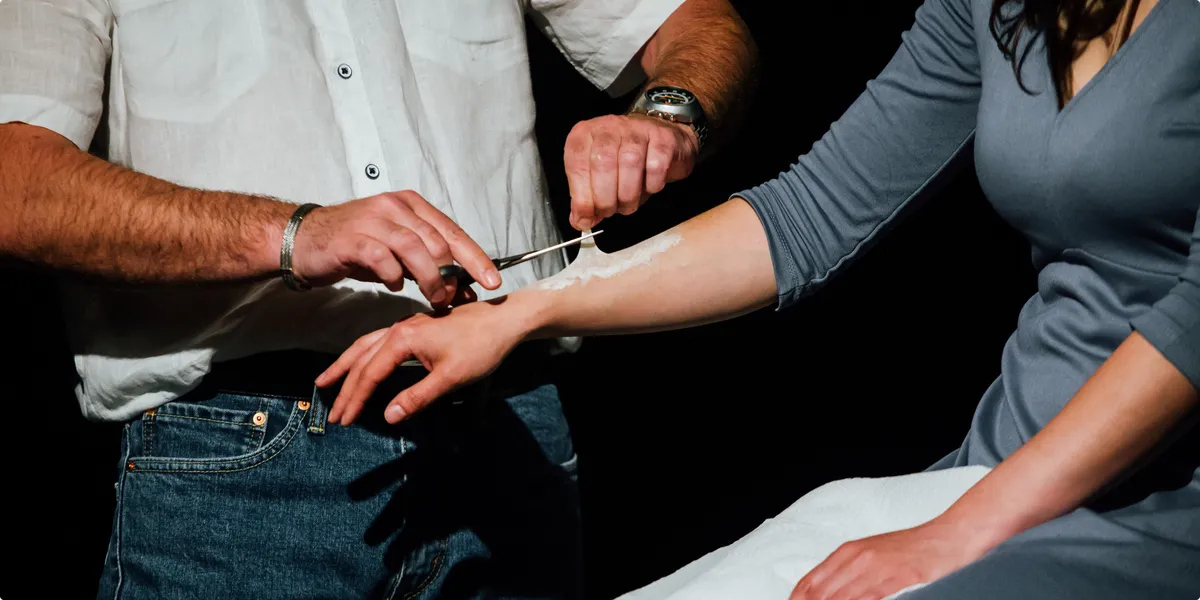
Choosing between a makeup diploma and a certificate course is one of the first decisions an aspiring artist faces. It is a choice that shapes your career trajectory, your study timeline, and the professional opportunities available to you later. This guide compares these certification paths so you can make a confident, informed decision for your future.
In short…
Exploring makeup artist certification options? Our online makeup courses are designed to help you build professional skills, develop a strong portfolio, and study at your own pace.
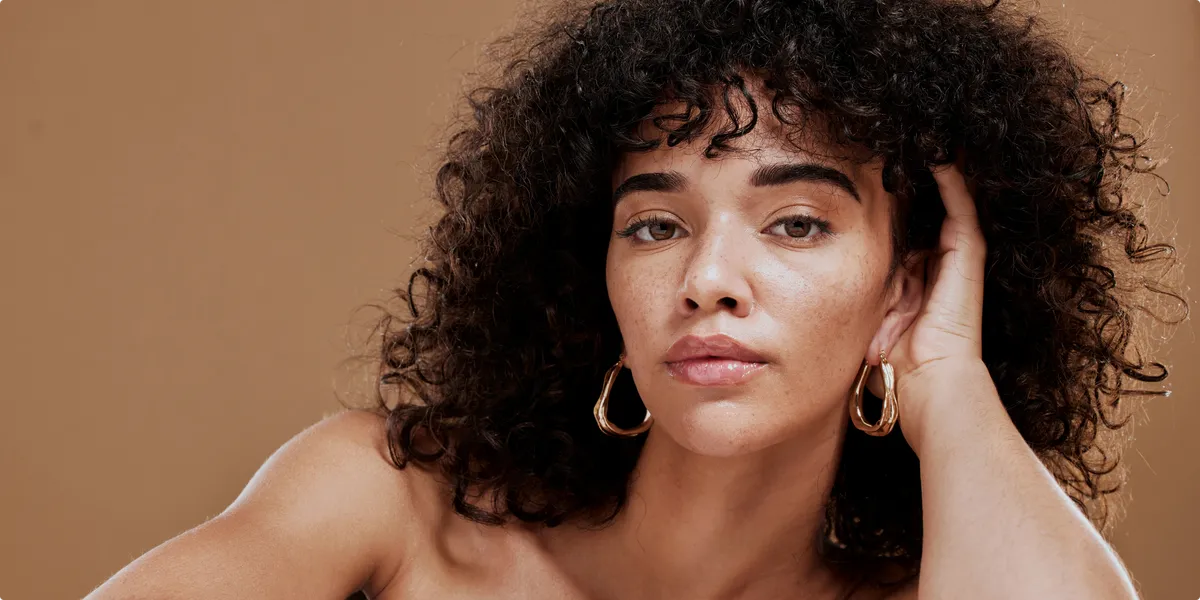
 Image Source: Stocksy.
A certificate course provides a structured introduction to professional makeup artistry. It covers the core skills and knowledge needed to develop as a makeup artist, including makeup application techniques, colour theory, hygiene, client consultation, and professional practice.
For many students, a certificate offers a flexible way to build practical skills, whether their goal is freelance work, personal development, or exploring a future career in the industry.
A makeup diploma is typically a more comprehensive qualification that includes additional units, assessment requirements, and broader industry knowledge. While many diploma and certificate courses cover similar makeup topics, a diploma generally involves a greater depth of study and may lead to a nationally recognised qualification, depending on the provider and region.
For students seeking a longer-term pathway in the industry, a diploma can provide additional opportunities for professional development and further study.
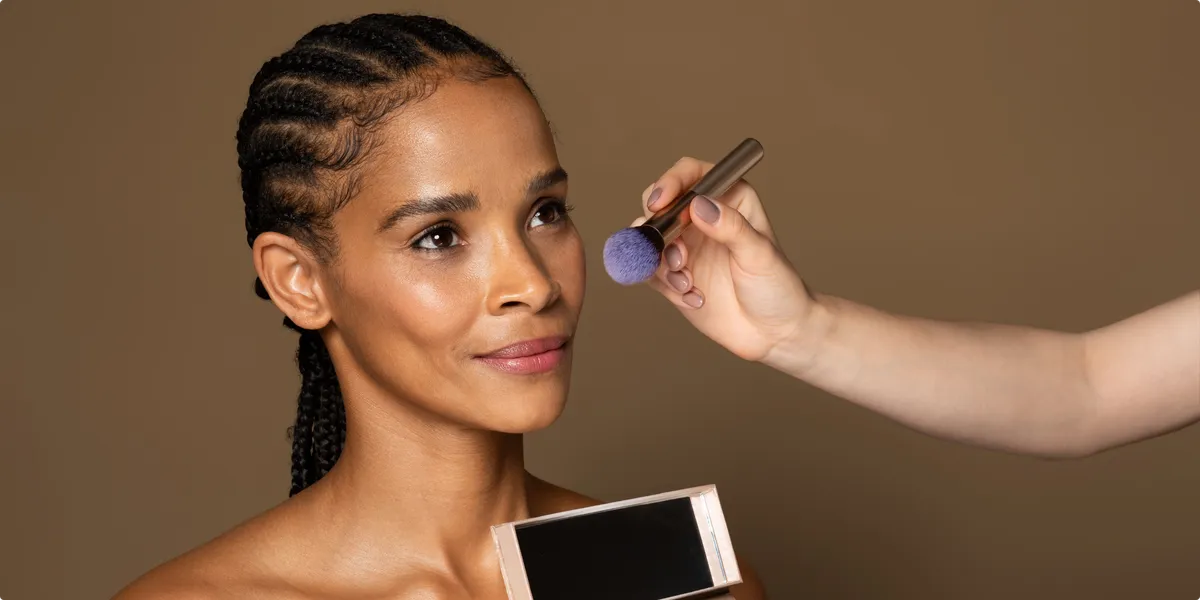
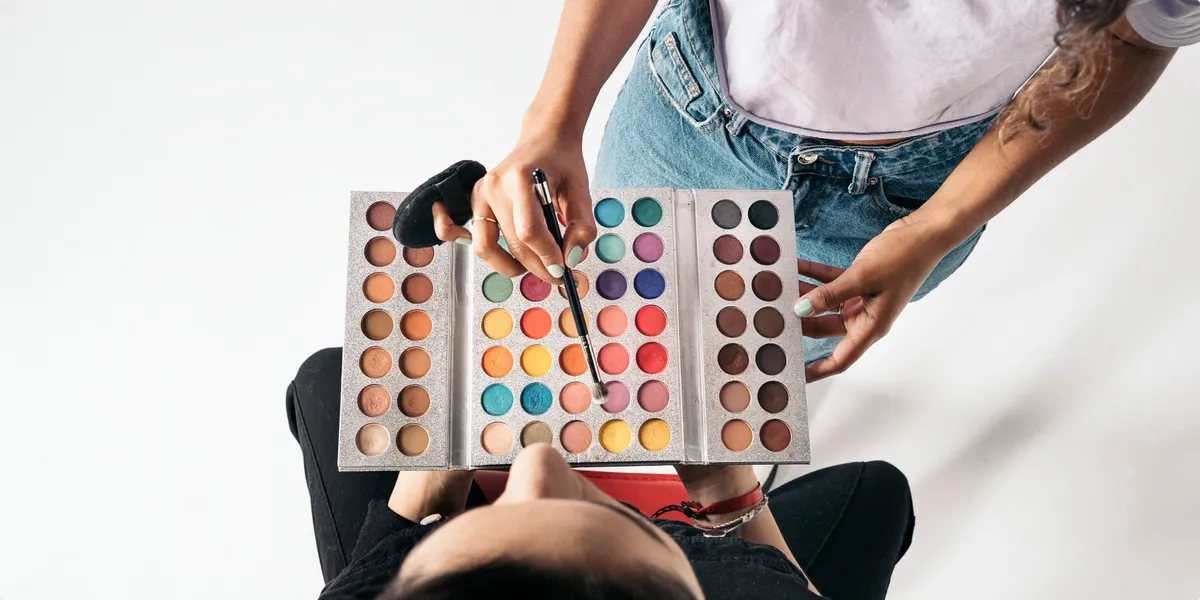 Image Source: Envato.
The primary differences lie in the depth of study, the duration of the course, and the career paths they support. Use this table to compare your options at a glance.
| Feature | Certificate | Diploma |
|---|---|---|
| Study duration | Shorter | Longer |
| Level of depth | Comprehensive introduction to makeup artistry | More comprehensive qualification with additional study requirements |
| Career outcomes | Freelance, creative services, entry-level to professional opportunities | Freelance, creative services, professional opportunities with a nationally recognised qualification |
| Formal recognition | Industry credential | Formally recognised in some regions |
| Best for | Beginners and career explorers | Long-term career development |
Both qualifications can help you develop professional makeup skills and build a portfolio of work. The main difference is typically the scope of the qualification, with diploma courses generally including additional units, assessment requirements, and a longer study period. The right choice depends on your career goals, preferred study commitment, and whether you are seeking a nationally recognised qualification.
To learn more about the career paths available to qualified makeup artists, read our blog: Makeup Artist Positions: 10 Career Paths You Should Know.
Choosing the right path depends on your personal situation and your long-term vision.
If you want to build a freelance business, work in bridal makeup, or develop your skills as a hobbyist, the certificate gives you everything you need to get started. If you are seeking a nationally recognised qualification or a more comprehensive course with additional units and assessment requirements, the diploma may be the better fit.
Certificate courses fit easily around work and family life. Diploma courses require a greater time investment and generally include additional units, assessment requirements, and qualification outcomes. Be realistic about how much time you can dedicate each week before choosing your path.
If there is any chance you will want to upgrade your qualification later, look for a provider that offers an RPL (Recognition of Prior Learning) pathway. This allows you to bridge from a certificate to a diploma without repeating work you have already completed.
 Image Source: Adobe Stock.
Both pathways cover core makeup topics designed to build your artistic confidence. You will explore a wide range of topics that are essential for makeup artists.
To learn more about building a professional career in makeup artistry, read our blog: Want to Be a Makeup Artist? Here's Exactly How to Get Started.
Look for a provider that offers more than just a list of lessons. Consider these four criteria when evaluating your options.
To learn more about makeup artist certifications and what they mean for your career, read our blog: Makeup Artist Certifications: What You Need to Start Your Career.
 Image Source: 123rf.
Our makeup courses are built to fit your life, giving you the flexibility to master professional artistry on your own terms.
Whether you choose the flexibility of a certificate or the depth of a diploma, the key is starting with a provider that supports your specific goals. Our online makeup courses provide the foundation you need to pursue your makeup artistry goals on your own terms. Download our free course guide today to learn more about the course and explore your next steps in makeup artistry.
Both qualifications provide a foundation in makeup artistry. However, a diploma is generally a more comprehensive qualification, with additional units and assessment requirements.
At IMUA, both the Certificate of Makeup Artistry and the nationally accredited CUA51020 - Diploma of Screen and Media (Specialist Makeup Services) cover core makeup topics, while the Diploma includes additional units and assessment requirements.
A diploma can be a worthwhile investment for students seeking a nationally recognised qualification and a more comprehensive course.
You can offer freelance makeup services, work for bridal agencies, assist on commercial film sets, or provide specialist services across a range of creative industries. A qualification can help demonstrate your training and commitment to professional development when seeking work or attracting clients.
At IMUA, students are provided with up to 18 months to complete the nationally accredited CUA51020 - Diploma of Screen and Media (Specialist Makeup Services), while the Certificate of Makeup Artistry allows up to 12 months for completion. The longer study period reflects the additional units, assessment requirements, and qualification outcomes associated with the diploma. Students who require additional time may also have the option to purchase a course extension.
If there is any chance you will want to upgrade your qualification later, ask whether the provider offers credit transfer, Recognition of Prior Learning (RPL), or an upgrade pathway. These options may allow you to receive credit for previous study or experience, depending on the qualification and provider..
At IMUA, students who have completed the Certificate of Makeup Artistry can upgrade to the nationally accredited CUA51020 - Diploma of Screen and Media (Specialist Makeup Services), allowing them to continue their studies towards a higher qualification. Students with relevant prior training from other providers may also be eligible for Recognition of Prior Learning (RPL), subject to assessment.
This post was created by the team at The Institute of Makeup Artistry, with guidance from our professional tutor community. Rachel Dal Santo is our course author and one of our experienced tutors who may support you throughout your online course with us. Get to know her below:
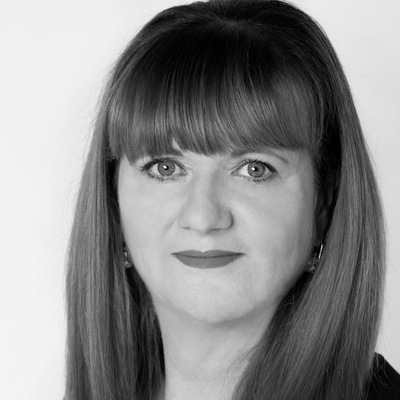
Author & Tutor at The Institute of Makeup Artistry
Rachel Dal Santo, the author of the Professional Makeup Artistry course, is a makeup artist with over 30 years’ experience in many sectors of the makeup industry.
Published :






©2026 The Institute of Makeup Artistry. Registration Code: 45423. All rights reserved.