 Australia
  Canada
  Hong Kong
  India
India  Ireland
  Malaysia
  New Zealand
  Qatar
Qatar  Singapore
  South Africa
  United Arab Emirates
  United Kingdom
  United States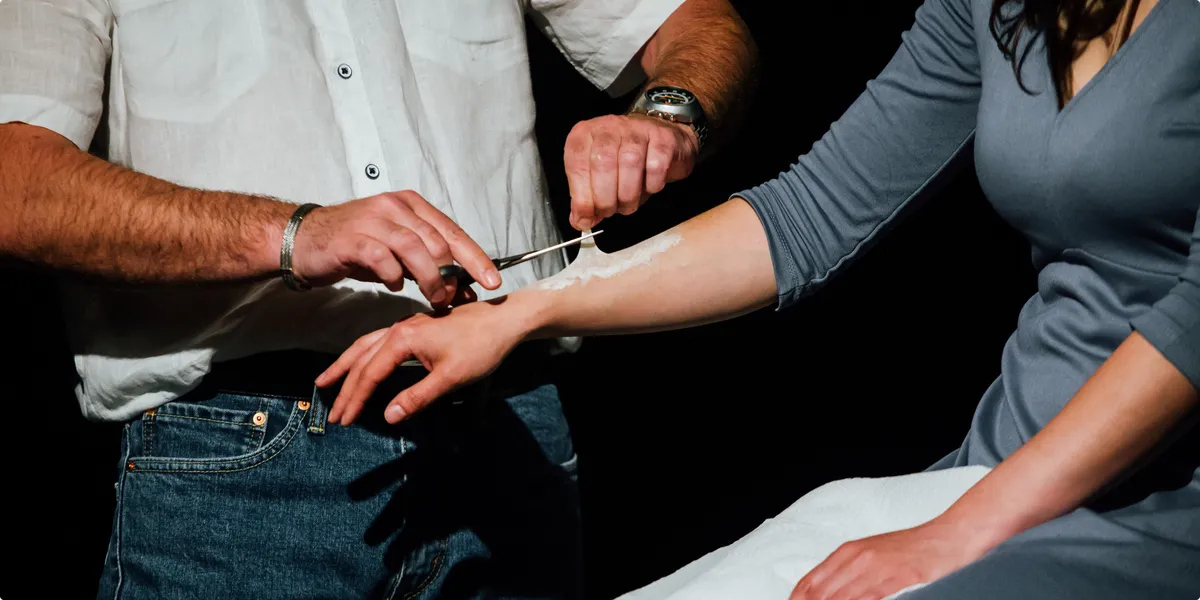
A single scar or terrifying creature can turn a simple scene into a cinematic masterpiece. This is the power of SFX makeup, combining creative artistry with technical techniques to create realistic transformations for screen, theatre, and creative projects.
We'll show you how to begin developing SFX makeup skills, from building your first kit to gaining experience across creative projects and productions. This guide breaks down the technical skills you need and the actual earnings you can expect in the industry today.
In short…
Searching for the best SFX makeup school? Our online makeup course helps you build foundational skills, avoid common beginner mistakes, and develop practical creative techniques at your own pace.
Image Source: Adobe Stock.
SFX makeup is the technical use of prosthetics and paint to create trauma or non-human features. Understanding facial structure, texture, and proportion can help effects look more believable on screen. Unlike beauty makeup, SFX is about creating a narrative through physical transformation.
Exploring different styles can help you develop a broader range of creative techniques.
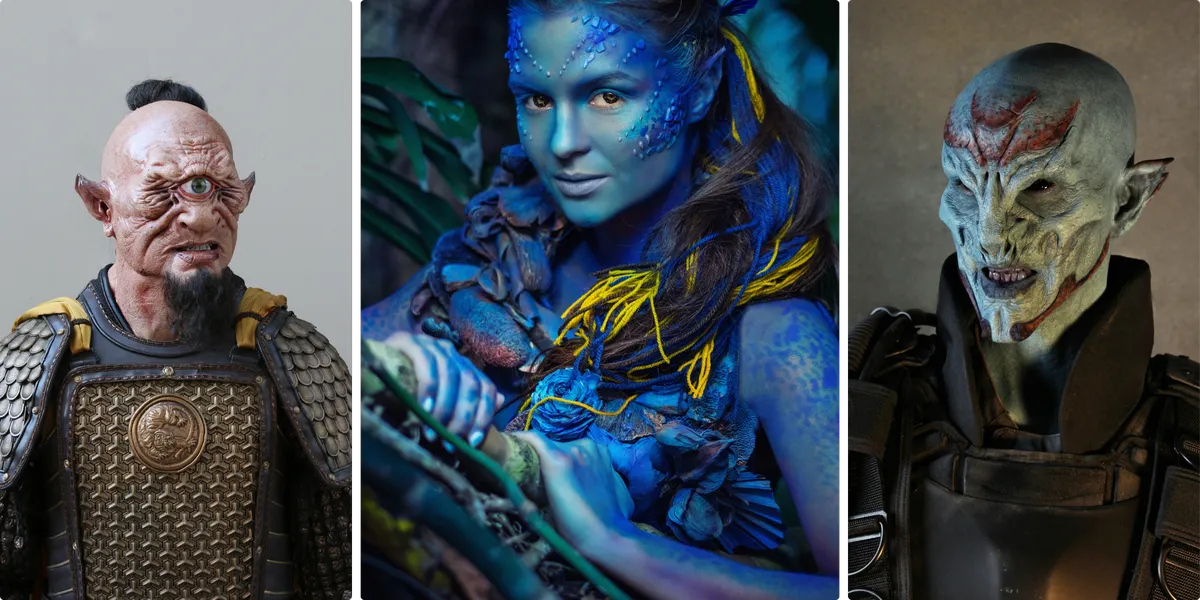 Examples of SFX Character/Creature Designs
Images Source: Adobe Stock.
Many SFX artists use professional brands such as Kryolan or Ben Nye when creating effects for photography, film, or theatre. Budget for your tools as you progress through your training.
Mastering a simple laceration is one of the first creative challenges for many new artists. Follow this professional framework to help your work look realistic and camera-ready.
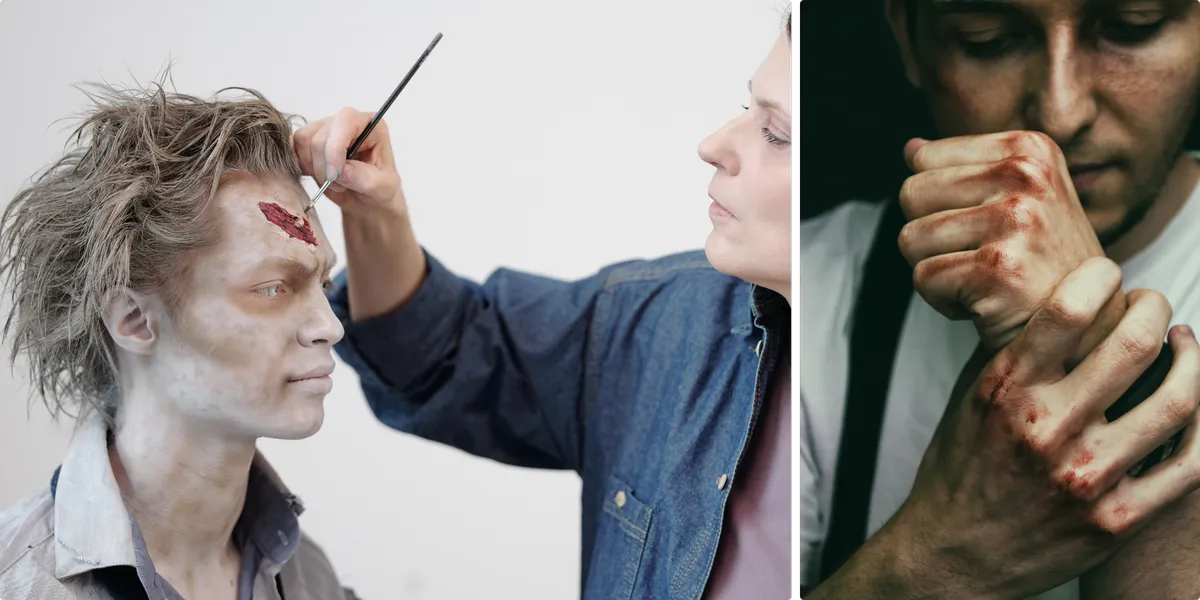 Examples of Trauma Effect SFX Makeup
Image Sources: Envato / Adobe Stock.
The path to a professional career requires a mix of technical skill and industry networking.
Document 10 high-quality looks and photograph them under studio lighting to show off your textures.
Study safety protocols and production requirements. Many productions require artists to work efficiently during long filming days.
Offer your skills to student films or theatre projects to earn your first credits.
Entry-level artists globally often start around $32,000 USD, while senior department heads can earn over $100,000 USD per year depending on region and production type. If you're comparing broader industry income paths, read our guide on how much a makeup artist earns.
Learn how to manage contracts and usage rights to protect your original character designs.
Find more pro career tips in our essential guide: How to Become a Makeup Artist.
The job is rewarding but physically demanding. Expect very early call times and stay on set throughout the day for touch-ups between takes. You'll often need to make quick adjustments between takes to help keep effects looking consistent on camera.
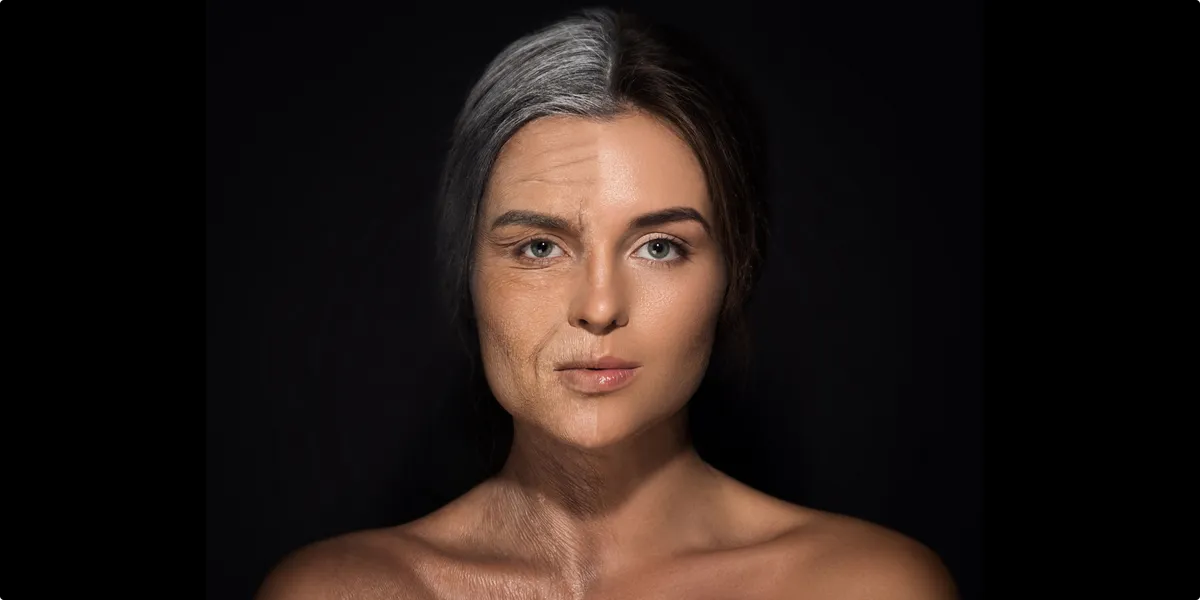 Example of Ageing SFX Makeup
Image Sources: Envato / Adobe Stock.
Learning through experimentation can help you develop creativity, but structured training gives you a clearer understanding of professional techniques, safety practices, and industry expectations.
At The Institute of Makeup Artistry, our online training is designed to help aspiring artists build practical creative skills while developing a professional-quality portfolio. Guided by experienced tutors, students explore a wide range of makeup artistry techniques that can support both personal and professional goals.
SFX stands for Special Effects and refers to the use of prosthetics, textures, paints, and specialised makeup products to create realistic trauma or non-human features. These techniques are commonly used across film, theatre, photography, and creative media projects.
A professional SFX makeup artist spends their day sculpting, painting, and applying complex prosthetics to transform actors into creatures or injured characters. Artists often problem-solve on set to help ensure effects look convincing under high-definition cameras and different lighting conditions.
Entry-level artists typically start around $32,000 USD, while senior department heads on major features can earn over $100,000 USD per year depending on region and production type. Your salary depends heavily on your niche portfolio and the specific production requirements of the film or theatre project.
You do not necessarily need a formal university degree, as many employers focus more on practical skills and portfolio quality than academic qualifications. Focusing on a practical IMUA course can help you build a professional portfolio while developing creative techniques and industry awareness.
The best choice is a course that combines structured technique development, creative practice, and portfolio-building opportunities. IMUA is a popular choice for aspiring artists because our modules are designed to support flexible online learning and creative skill development.
Professional training usually costs between $1,000 and $3,000 USD depending on the depth of the study. You can start with IMUA from just ₱ 1,458.29 per week or save ₱ 3,000.00 by paying a ₱ 31,999.00 total upfront with our 7-day money-back guarantee.
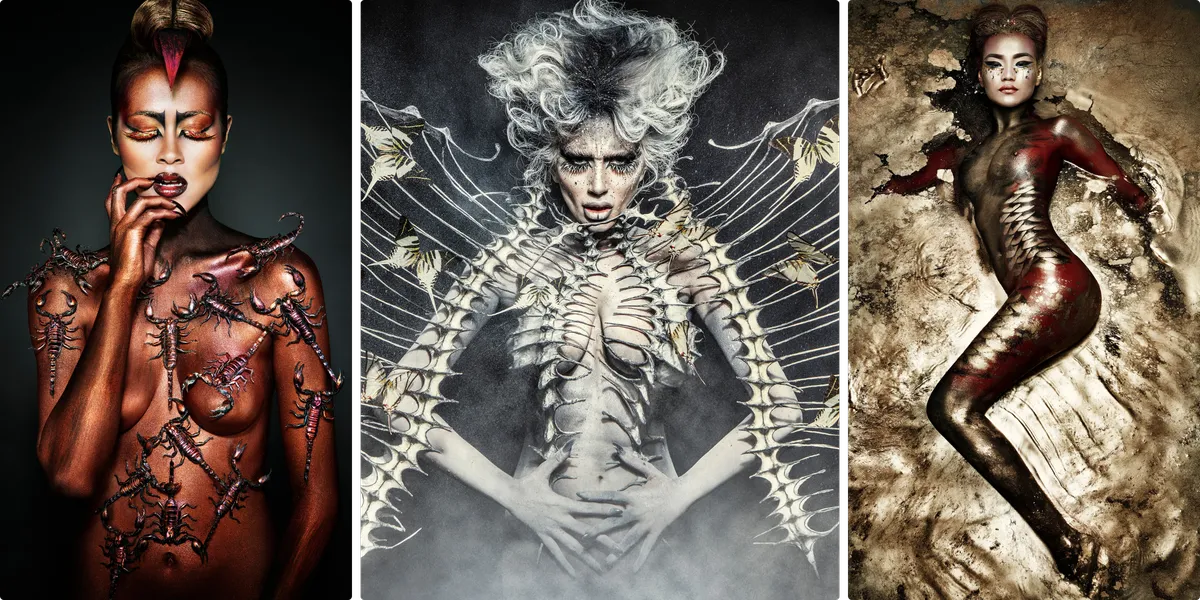 Examples of Body Painting
Image Source: Jonas Leriche.
Mixing material knowledge with artistic vision is an exciting step for aspiring effects artists. Our online makeup course helps you explore creative techniques inspired by screen and theatrical makeup artistry.
In Module 9, you'll explore techniques for creating injury simulation effects, from realistic bruising to burns and zombie-inspired makeup designs. Download our free course guide to start building your kit and developing your creative skills.
This post was created by the team at The Institute of Makeup Artistry, with guidance from our professional tutor community. Catherine Farren-Price is one of our experienced tutors who may support you throughout your online course with us. Get to know her below:

Tutor at The Institute of Makeup Artistry
Catherine has taught art, makeup, and special effects extensively over the past 30 years.
Published :






©2026 The Institute of Makeup Artistry. All rights reserved.